2026-10-22 ·
Preparing Your Weston Super Mare Home for Winter Insulation Checks
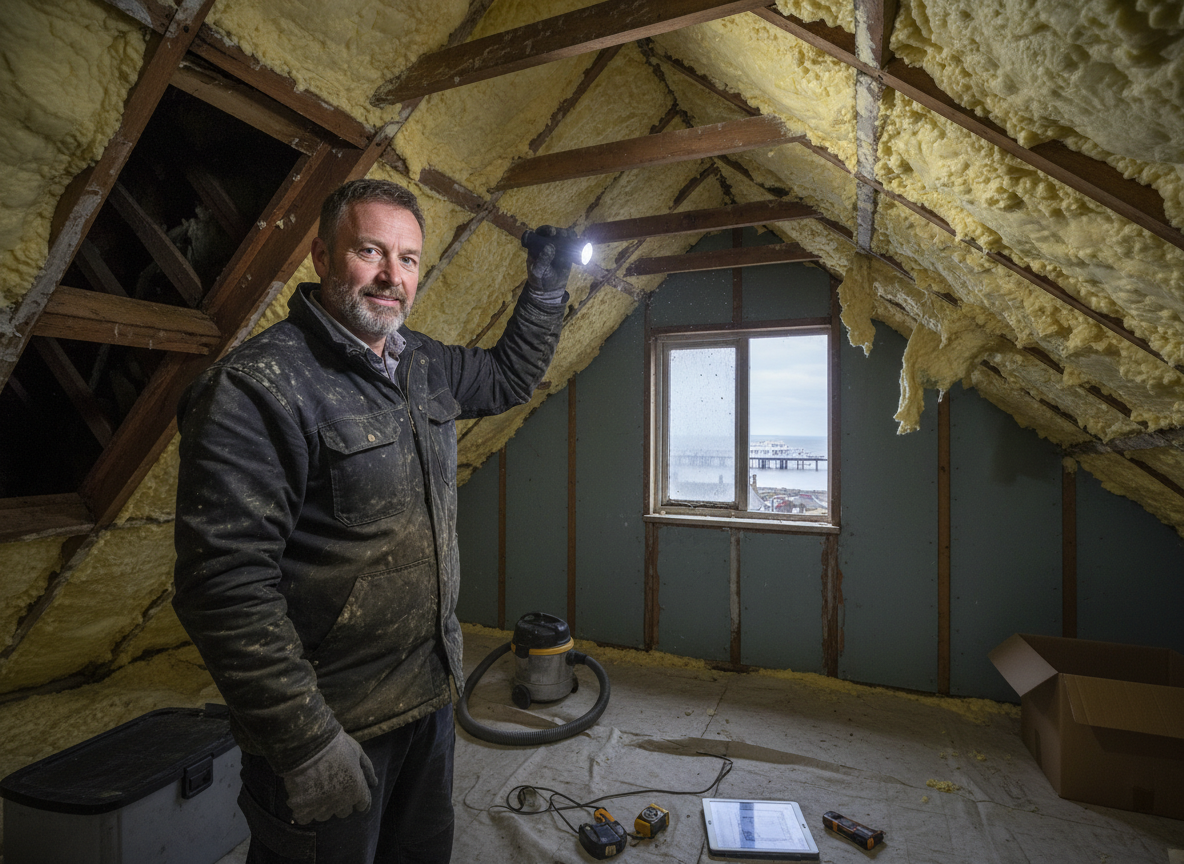
Start winter insulation checks in Weston Super Mare properties by examining lofts and roof spaces for signs of moisture ingress after the first heavy autumn rains, as many Victorian and Edwardian terraces along the seafront show accelerated wear from salt-laden winds off the Bristol Channel.
Understanding Local Housing Stock and Insulation Risks
Weston Super Mare contains a high proportion of pre-1930s homes with pitched roofs and original timber structures that were never designed for modern insulation layers. These buildings often sit on slightly raised ground near the promenade or in areas like Worle and Uphill, where winter gales drive rain under tiles and into loft spaces. Salt air accelerates corrosion on metal fixings and degrades foam adhesion over time, leading to hidden voids that trap condensation once temperatures drop below 5°C. Checking these homes requires lifting insulation boards carefully to inspect joists for rot without disturbing any existing spray foam layers that may already be failing. Properties in nearby Clevedon share similar exposure patterns, making early visual surveys essential before full winter sets in.
How Somerset Coastal Weather Affects Insulation Performance
Winters in the Weston Super Mare area bring frequent Atlantic fronts with sustained winds above 30 mph and rainfall totals often exceeding 100 mm per month between November and February. This combination forces water through the smallest gaps in older slate roofs common throughout the town centre and along Locking Road. Once inside, moisture reduces the thermal performance of any insulation and creates conditions where spray foam can delaminate from rafters within two to three seasons. Homeowners should schedule checks after the October half-term storms, when daylight still allows safe loft access before the shortest days arrive. Ground conditions in the low-lying parts of the parish also contribute, as higher water tables push damp upward through solid floors in Edwardian semis.
Step-by-Step Winter Insulation Assessment Process
Begin by clearing stored items from the loft to allow full access to all roof slopes and eaves. Use a strong torch to look for dark staining along the underside of tiles and any sagging between rafters that indicates water tracking. Next, check ventilation gaps at the eaves remain clear of insulation material so moist air can escape rather than condense on cold surfaces. Record any areas where existing insulation feels damp or compressed, noting the approximate size of affected zones in square metres. Finally, test for musty odours that signal ongoing moisture problems before temperatures fall further and make access more difficult. These steps help identify issues early while conditions remain workable.
Knowing When Professional Support Becomes Necessary
If checks reveal widespread damp staining or foam that has pulled away from timber in more than two roof bays, contact specialists familiar with Somerset coastal properties for a detailed evaluation. Older homes near the sea often require targeted removal techniques that avoid damaging historic roof structures. Readers can review Local Considerations When Removing Spray Foam Near the Weston Super Mare Coast for further context on regional challenges. Additional guidance appears in What to Expect During Spray Foam Extraction in Somerset Properties. An insulation assessment provides the next practical step for properties showing consistent winter performance issues.